Optimal Timing for Roadside Mowings
Roadside mowings are essential for maintaining visibility, safety, and the health of roadside vegetation. Timing plays a crucial role in ensuring effective and efficient mowing operations. Proper scheduling can prevent overgrowth, reduce fire hazards, and support local ecosystems.
Ideal for controlling early growth and preparing roadside vegetation for the growing season.
Helps manage rapid growth periods and maintain clear sightlines during peak vegetation periods.
Prevents overgrowth before winter, reduces fire risk, and helps manage fallen debris.
Clears accumulated debris and prepares roadside areas for the upcoming growing season.
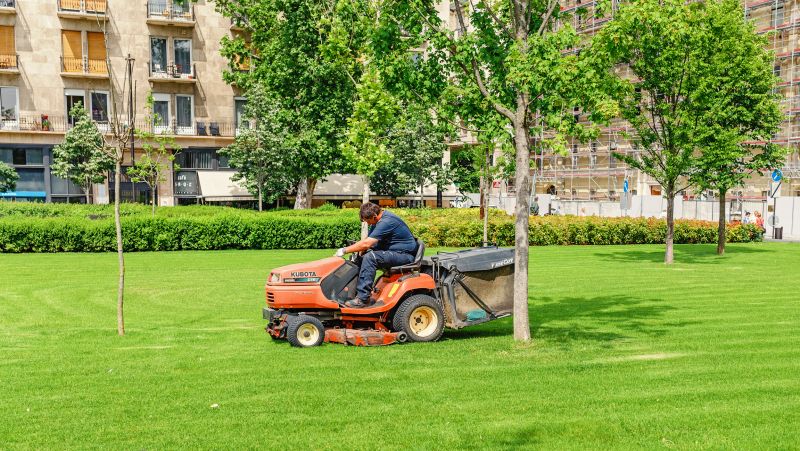
Ways to make Roadside Mowings work in tight or awkward layouts.
Popular materials for Roadside Mowings and why they hold up over time.
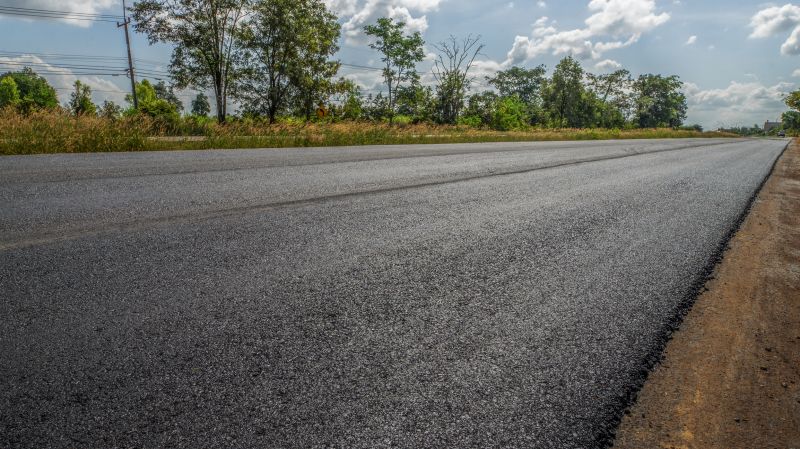
Simple add-ons that improve Roadside Mowings without blowing the budget.
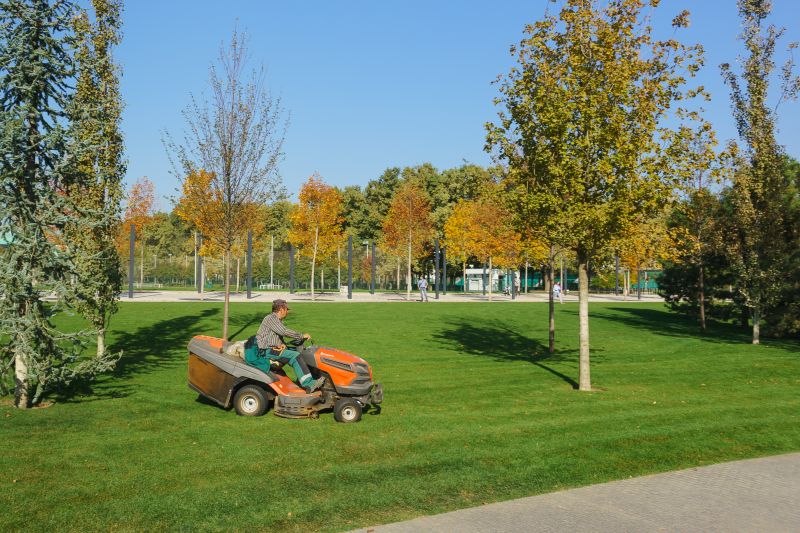
High-end options that actually feel worth it for Roadside Mowings.
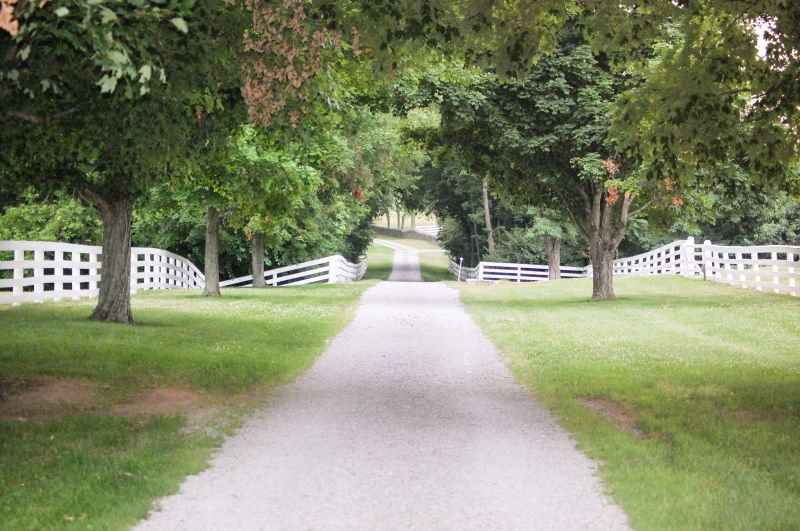
Finishes and colors that play nicely with Roadside Mowings.

Little measurements that prevent headaches on Roadside Mowings day.
Roadside mowings are a critical component of maintaining safe and accessible roadways. Regular mowing prevents vegetation from obstructing signs, signals, and sightlines, which can significantly reduce accidents. Additionally, managing roadside vegetation minimizes fire risks and supports local wildlife habitats. Mowing schedules should align with regional climate patterns and vegetation growth cycles to maximize effectiveness.
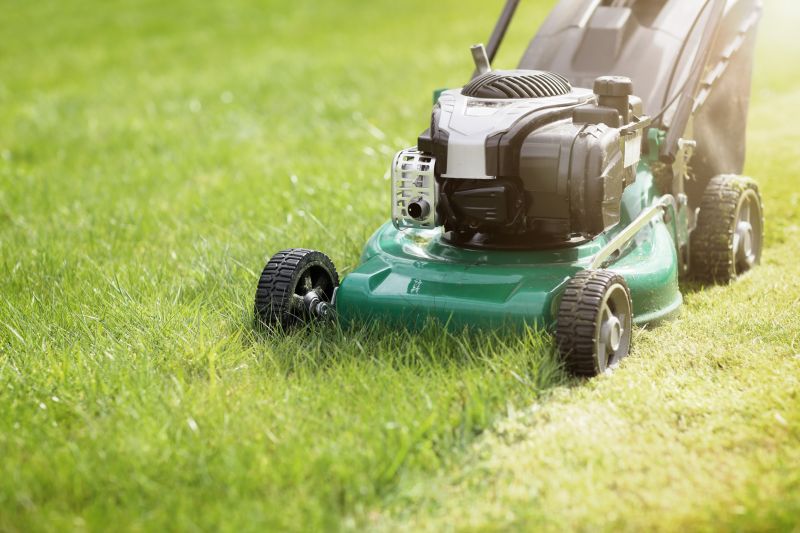
A 60-second routine that keeps Roadside Mowings looking new.
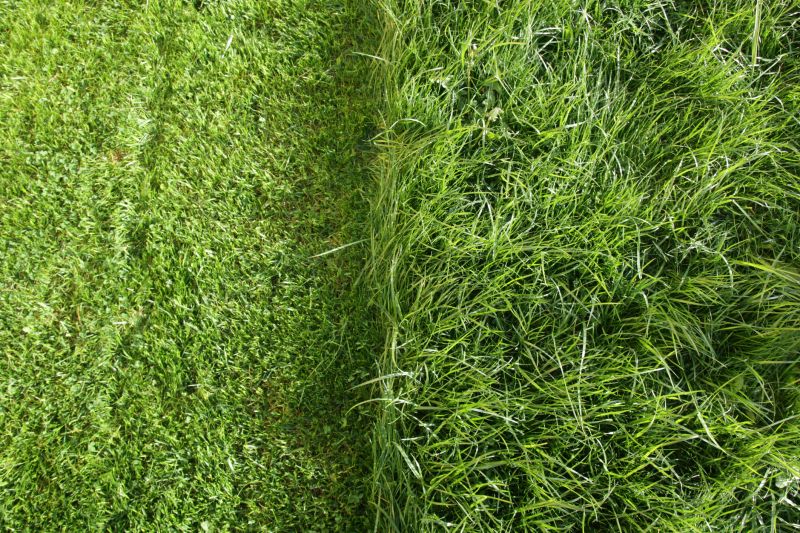
A frequent mistake in Roadside Mowings and how to dodge it.

Small tweaks to make Roadside Mowings safer and easier to use.
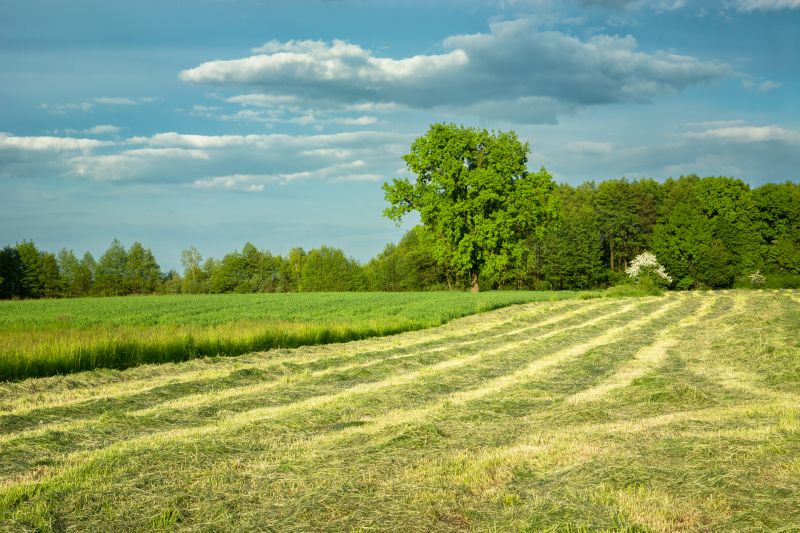
Lower-waste or water-saving choices for Roadside Mowings.
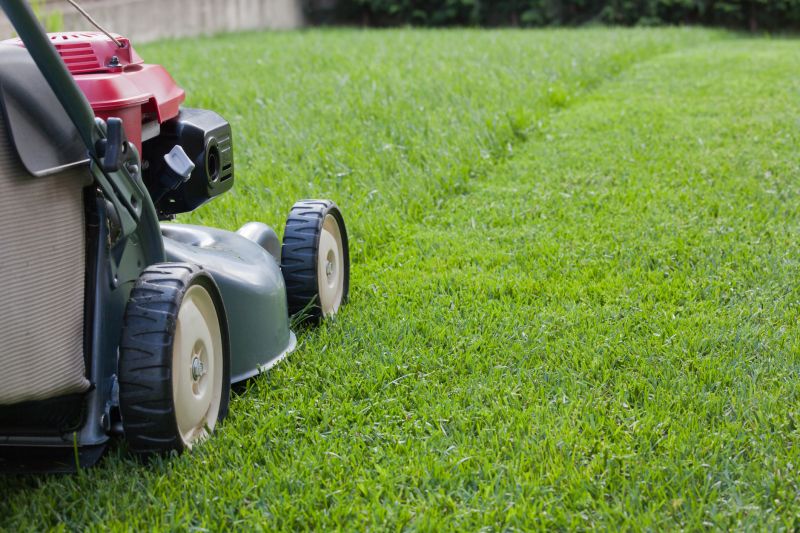
The short, realistic tool list for quality Roadside Mowings.
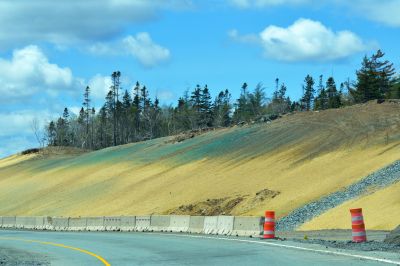
Rough timing from prep to clean-up for Roadside Mowings.
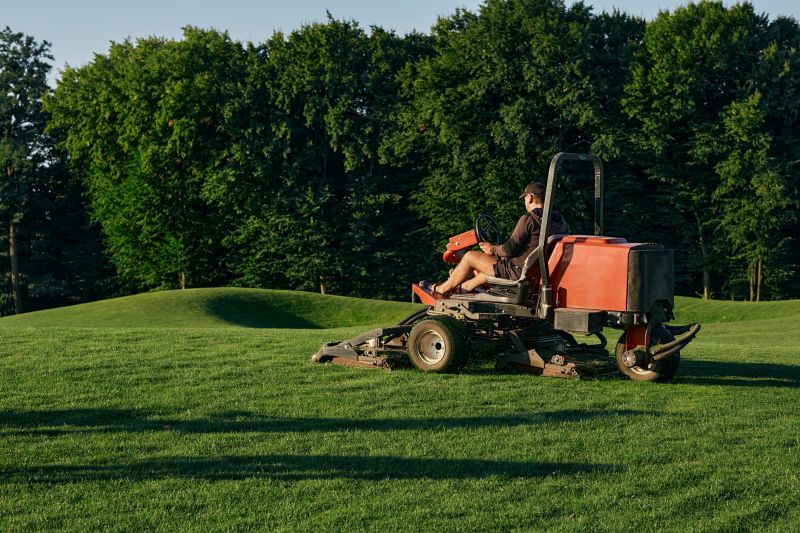
Quick checks and paperwork to keep after Roadside Mowings.
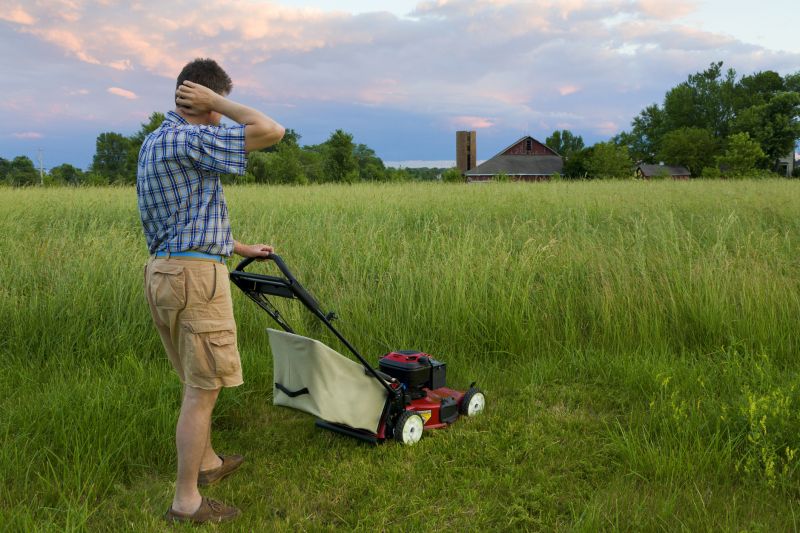
Examples that show the impact a good Roadside Mowings can make.
| Season | Optimal Mowing Time |
|---|---|
| Spring | Early spring before rapid growth begins |
| Summer | Mid to late summer during peak growth |
| Fall | Late fall before winter sets in |
| Post-Winter | Immediately after winter for debris removal |
| Regional Variations | Timing depends on local climate and vegetation |